Acupuncture for anxiety is a natural, evidence-informed therapy that may help calm the nervous system, reduce stress hormones, and bring relief to both the mind and body.
Key Takeaways
Acupuncture may help reduce anxiety by regulating the nervous system and lowering stress hormones like cortisol.
It addresses both the physical and emotional aspects of anxiety, not just the surface symptoms.
At Core Healing Path in Toronto, acupuncture sessions are tailored to each person's specific anxiety pattern and health history.
Can Acupuncture Help with Anxiety?
Anxiety is more than just worry. It shows up in the body too. Tight chest, racing heart, shallow breathing, poor sleep, digestive upset. For many people, managing anxiety means managing all of these things at once.
That is where acupuncture comes in. By stimulating specific points on the body, acupuncture may help activate the parasympathetic nervous system. That is the part of the nervous system responsible for rest, recovery, and calm.
It will not look the same for everyone. Everyone is different, and that is exactly the point. A good acupuncture session starts with understanding your specific picture, not just treating anxiety as a single category.
To learn more about our approach to acupuncture, visit our acupuncture Toronto page.
How Acupuncture May Help with Anxiety
In Traditional Chinese Medicine, anxiety is often linked to imbalances in certain organ systems, particularly the Heart, Liver, and Kidney meridians. These imbalances can disrupt the flow of energy (qi) through the body and contribute to the mental and physical symptoms of anxiety.
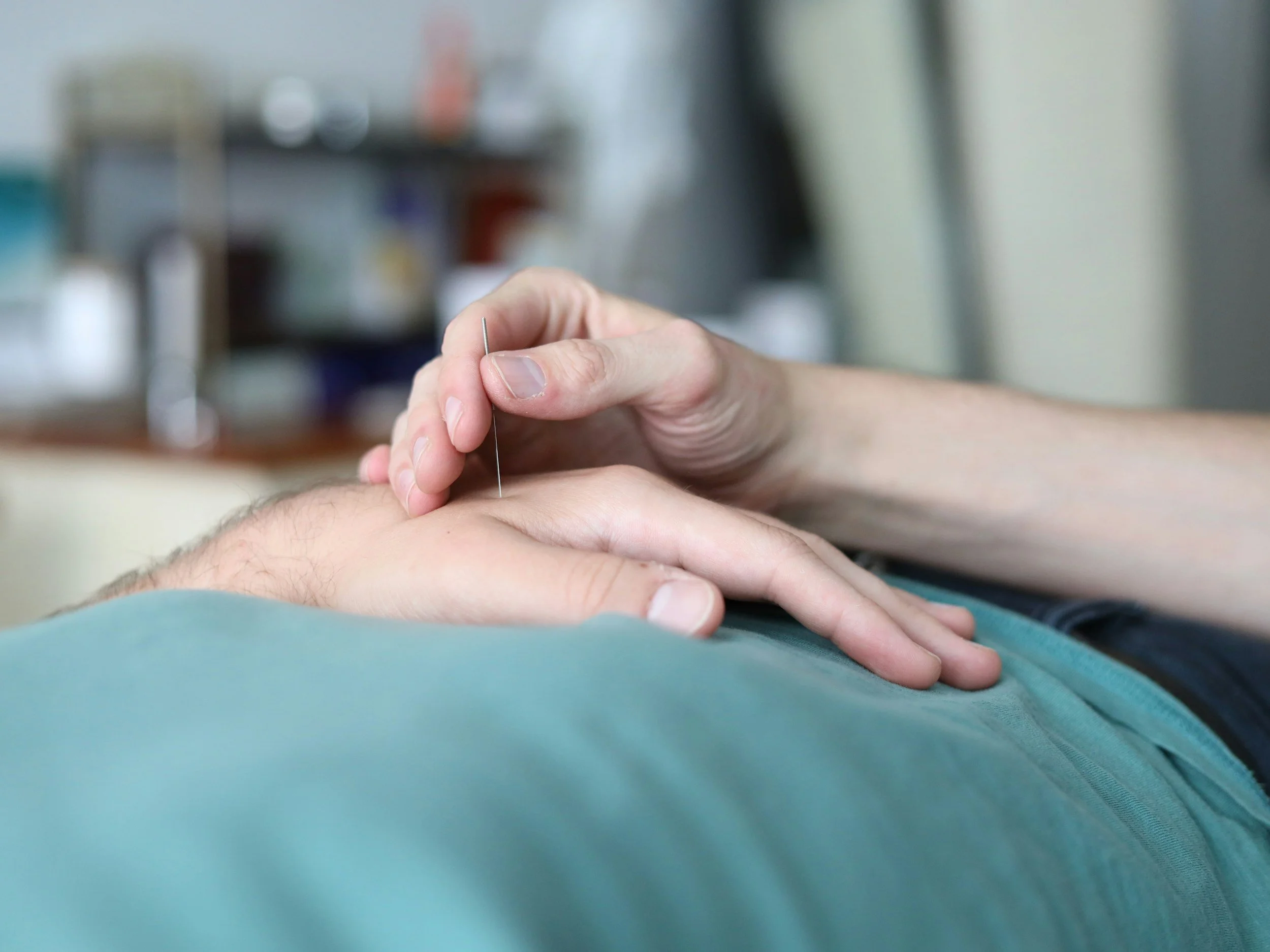
Acupuncture works by inserting fine needles into specific points along these meridians to restore balance and support the body's natural regulation.
From a Western perspective, research suggests acupuncture may help by:
Lowering cortisol levels, the body's primary stress hormone
Stimulating the release of endorphins and serotonin
Activating the parasympathetic nervous system
Reducing the activity of the sympathetic nervous system (the fight-or-flight response)
Improving sleep quality, which is closely linked to anxiety levels
The result is often a deep sense of calm during and after a session. Many people report feeling less reactive, more grounded, and better able to handle daily stress over time.
What Types of Anxiety Can Acupuncture Address?
Acupuncture may be helpful for a range of anxiety presentations, including:
Generalized anxiety and persistent background worry
Anticipatory anxiety before events or appointments
Panic attacks and acute stress responses
Social anxiety
Anxiety connected to hormonal shifts, such as perimenopause or PMS
Sleep problems driven by anxious thoughts
Physical anxiety symptoms like chest tightness, shortness of breath, or digestive upset
If your anxiety has a specific pattern or trigger, that information helps us tailor the session to what you actually need.
Acupuncture for Anxiety at Core Healing Path Toronto
At Core Healing Path, our approach to anxiety is integrative. We look at the full picture, not just the presenting symptoms.
Our team includes Melissa Montoya, who brings a thorough and compassionate approach to each session. Every treatment plan is built around your individual health history, your specific anxiety pattern, and what your body needs to find balance.
We also offer complementary support through homeopathy and other holistic services, which can work well alongside acupuncture for anxiety. Many of our clients find that combining approaches gives them better results than any single therapy alone.
Explore our full range of options on the Core Healing Path services page. If anxiety is something you have been managing for a while, homeopathy for anxiety is another avenue worth exploring alongside acupuncture.
What to Expect in an Acupuncture Session for Anxiety
If you have never had acupuncture before, here is what a typical session looks like.
Your first appointment begins with a conversation. We ask about your symptoms, your health history, your sleep, your digestion, and your emotional patterns. This gives us a clearer picture of what is contributing to your anxiety.
From there, you will lie comfortably on a treatment table while fine, sterile needles are placed at specific acupoints on the body. Common points for anxiety include areas on the wrists, scalp, sternum, and lower legs.
Most people feel very little discomfort. You may notice a mild tingling, a sense of heaviness, or a warmth near the needle sites. Many people fall asleep on the table.
Needles are typically left in for 20 to 30 minutes. After the session, it is common to feel noticeably calmer, more clear-headed, or simply more relaxed than when you came in.
Results tend to build over a series of sessions rather than from a single appointment. We will talk through a realistic plan with you from the start. Book a free 15 minute consultation today!
Acupuncture vs. Conventional Anxiety Treatment
Conventional anxiety treatment often involves medication, cognitive behavioural therapy, or a combination of both. These can be genuinely helpful, and we never suggest replacing them without guidance from your doctor.
What acupuncture offers is a different entry point. It addresses the physical experience of anxiety directly, through the nervous system and the body's own regulation mechanisms. It does not require a diagnosis or a prescription. It does not carry the side effects associated with some anxiety medications.
For many people, acupuncture works best as part of a broader care plan. It supports what else is already in place rather than replacing it.
The approach at Core Healing Path is always to support the whole person. Whether you are managing anxiety on your own, working with a therapist, or exploring natural options for the first time, there is a place for acupuncture in that picture.
Safety and When to Seek Support
Acupuncture is safe when performed by a trained and licensed practitioner. Side effects are generally mild and may include slight soreness or minor bruising at needle sites.
That said, anxiety can sometimes be a sign of a deeper condition that needs proper assessment.
Please seek professional support if:
Your anxiety is significantly affecting your daily life or relationships
You are experiencing panic attacks regularly
You are having thoughts of harming yourself or others
Symptoms are getting worse over time
Acupuncture should not replace medical care or mental health support when those are needed. We are here to complement your care, not replace it.
If you are ready to explore whether acupuncture is right for you, book a consultation and we can talk through the options together.
FAQs
Can acupuncture help with anxiety in Toronto?
Acupuncture for anxiety is offered at Core Healing Path in Toronto. It may help reduce anxiety symptoms by calming the nervous system, lowering stress hormones, and addressing both the physical and emotional patterns that contribute to anxiety.
How many acupuncture sessions do I need for anxiety?
The number of sessions varies depending on the individual. Some people notice improvement after two or three sessions. Others benefit from a longer series of treatments, particularly for chronic or long-standing anxiety. We discuss a realistic plan with you at your first appointment.
Is acupuncture for anxiety covered by insurance in Ontario?
Many extended health benefit plans in Ontario cover acupuncture treatments when performed by a registered acupuncturist. Check your specific plan for details, as coverage amounts and requirements vary.
What does acupuncture for anxiety feel like?
Most people find acupuncture deeply relaxing. You may feel a mild tingling or warmth near the needle sites, but significant discomfort is uncommon. Many people feel calmer and more grounded immediately after a session.
Can I combine acupuncture with other anxiety treatments?
Yes. Acupuncture works well alongside therapy, homeopathy, medication, and other treatments. It is designed to complement your existing care plan, not replace it. We take a full picture of your health into account before making any recommendations.