Meet Your Acupuncturist:
Melissa Montoya, HOM, DSHM, R. Ac., is a fully licensed Registered Acupuncturist and is now seeing patients at Core Healing Path. She brings a blend of passion and expertise to acupuncture, with a particular focus on women's health and pain management. Each session is tailored to your health needs, for a therapeutic experience that supports healing and well-being.


Frequently Asked Questions About Acupuncture
How much does acupuncture cost near me?
The cost of acupuncture can vary widely depending on location, practitioner’s experience, and session length. Generally, prices range from $60 to $120 per session. Contact us at Core Healing Path for detailed pricing information based on your specific needs.
Where can I get acupuncture done near me?
Core Healing Path serves Toronto and the Greater Toronto Area, with acupuncture visits at 333 Sheppard Ave E, Suite 5W, in North York. Melissa Montoya, R. Ac., is the registered acupuncturist and is seeing patients now, with a focus on women's health and pain management. See acupuncture in North York. If you were searching for a homeopath rather than acupuncture, see homeopath in Toronto. Book a screening from the button on this page.
Can acupuncture help with women's health concerns?
Period pain, PMS, irregular cycles, perimenopause and menopause symptoms, and support alongside fertility care are common reasons women seek acupuncture. Women's health is one of Melissa's main areas of focus. Read more about acupuncture for women's health.
Can acupuncture help with back pain, neck pain or headaches?
Back pain, neck and shoulder tension, headaches and joint discomfort are some of the most common reasons people try acupuncture. Pain management is one of Melissa's main areas of focus. Read more about acupuncture for pain.
Is acupuncture covered by insurance in Ontario?
Acupuncture is not covered by OHIP, but many extended health plans include treatment by a Registered Acupuncturist. Coverage varies by plan, so check your benefits booklet or ask your insurer.
Does acupuncture hurt?
Acupuncture needles are very fine, much thinner than a needle used for a blood test. Most people feel a light tingle, warmth or gentle pressure. If you are nervous about needles, tell Melissa and she will start gently.
What is an acupuncturist?
An acupuncturist is a trained healthcare professional who practices acupuncture, a traditional Chinese medicine technique. They use fine needles inserted at specific points on the body to stimulate healing and relieve symptoms.
What are the benefits of acupuncture?
Acupuncture offers numerous benefits, including pain relief, reduced stress, improved sleep, and enhanced digestive health. It’s also used to treat chronic conditions like migraines, arthritis, and anxiety.
What are the risks of acupuncture?
While generally safe when performed by a certified practitioner, risks can include minor bleeding, bruising, and soreness at needle sites. Rare complications may involve infections or needle misplacement.
How does acupuncture work?
Acupuncture involves inserting thin needles into specific body points to stimulate the central nervous system. This stimulation is believed to release chemicals into the muscles, spinal cord, and brain, which may trigger the release of natural painkillers and other chemicals, promoting physical and emotional well-being.



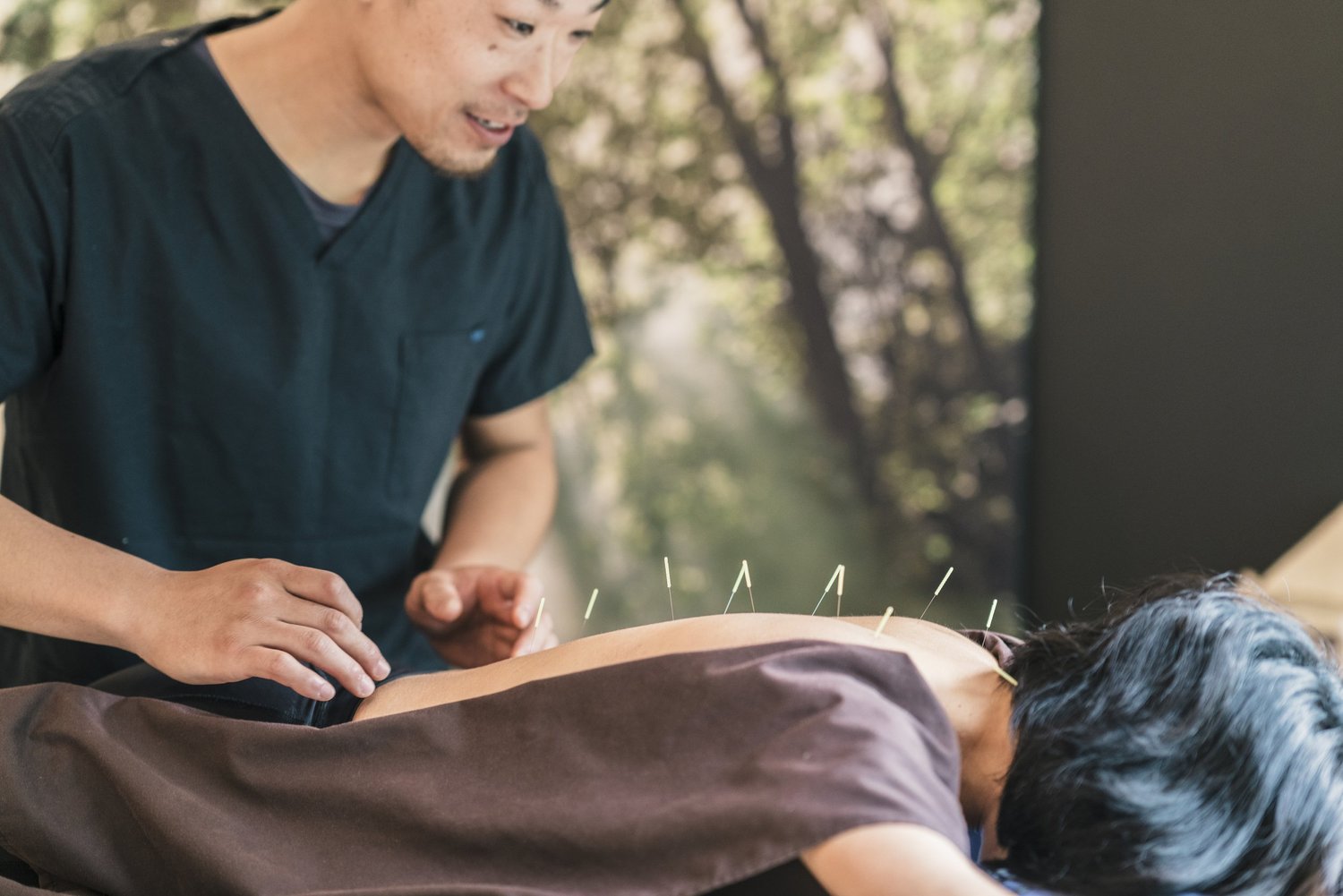
Acupuncture, a traditional Chinese therapy, involves inserting thin needles at specific body points to align the body’s energy or qi. This practice aims to unblock and balance qi flow, addressing various health issues from pain to illness.
In Canada, acupuncture is recognized as a form of complementary and alternative medicine and is regulated by provincial authorities. Practitioners must complete accredited programs and pass licensing exams to practice, adhering to strict hygiene and safety standards.
In Canada,
acupuncture is often paired with conventional medicine, with many health professionals like doctors and physiotherapists including it in their practices. It's widely used to alleviate conditions such as chronic pain, headaches, digestive problems, and infertility.
An acupuncture session starts with a comprehensive review of the patient's medical history and symptoms. Needles are then placed at specific energy points on the body, often manipulated to enhance stimulation, and left in for 15-30 minutes. While generally painless, some might feel tingling or numbness.
Acupuncturists might also employ techniques like cupping, moxibustion, or acupressure. Cupping uses suction cups on the skin to ease muscle tension, while moxibustion involves burning mugwort near the skin to stimulate points. Acupressure, unlike acupuncture, does not use needles but applies pressure to these points.
Acupuncture is safe under a qualified practitioner, though risks like bruising or infection can occur. Those with certain conditions or on blood thinners should consult healthcare providers before treatment. Optimal results in acupuncture depend on the expertise of the licensed acupuncturist administering it.

BENEFITS OF ACUPUNCTURE IN TORONTO
- Pain Management
- Stress Relief
- Improved Sleep
- Enhanced Immune Function
- Improved Digestion
- Overall Wellness
- Reduced Inflammation
- Improved Fertility
- Reduced Dependence on Medication
- Improved Mental Health
- Individualized Treatment
- Non-Invasive
Seeking relief from chronic pain or stress?
By embracing our expert acupuncture services, you engage in a care plan crafted just for you, aligning with your specific health objectives. Our approach at Core Healing Path incorporates acupuncture techniques that stimulate healing and relaxation without the invasive procedures of conventional medicine.
Take the next step towards a healthier, more harmonious life.