Answer first: Acupuncture can be part of gentle, whole-person care for women’s health concerns such as period pain, PMS and menopause symptoms, and for ongoing pain such as low back pain, neck and shoulder pain and headaches. The strongest research is for chronic pain, where acupuncture has done better than both sham acupuncture and no acupuncture, although the difference from sham is modest. For period pain and menopause the research is more mixed. Acupuncture does not replace your doctor, and some symptoms always need a medical check first. At Core Healing Path in North York, Melissa Montoya is a homeopath and licensed Registered Acupuncturist, so acupuncture and homeopathy can be planned together by one practitioner who knows your whole story.
Pain has a way of shaping a whole life. Cramps that cancel plans every month, hot flashes that break up your sleep, a back that aches by the end of every workday or migraines that arrive with your cycle: many women in Toronto and North York live with these for years, often after being told it is just something to put up with.
This guide explains what acupuncture is (and is not), what a thorough look at the research shows for women’s health and pain, how homeopathy can sit beside it, what a visit looks like, and the warning signs that should always go to your doctor first.
Two different tools, one whole person
Acupuncture and homeopathy are often mentioned together, but they work in very different ways. Knowing the difference helps you decide what you want from each.
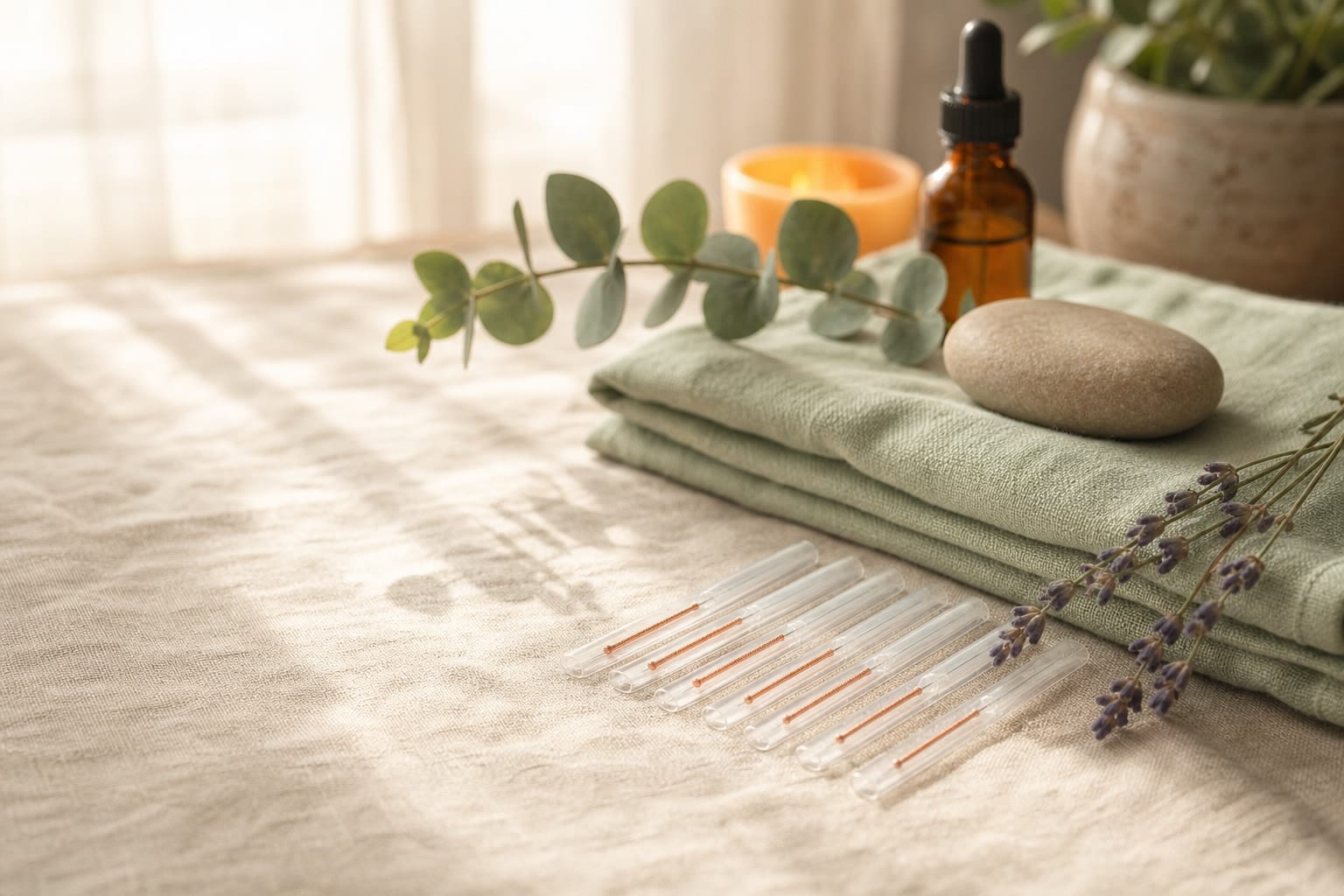
Very fine, sterile, single-use needles are placed at selected points while you rest. In Ontario, Registered Acupuncturists (R. Ac.) are licensed by the College of Traditional Chinese Medicine Practitioners and Acupuncturists of Ontario.
A homeopath takes a detailed history of your physical, emotional and cycle patterns, then chooses one individualized remedy for the whole picture rather than for a diagnosis alone.
Food, sleep, movement and stress all shape how much pain you feel and how your cycle behaves. Small, steady changes fit beside any medical plan.
None of these replace your family doctor, gynecologist, physiotherapist or pain specialist. They sit beside that care, and they work best when everyone on your team knows what the others are doing.
What the research says: a thorough look
You deserve straight answers, so here is the current picture.
Acupuncture and chronic pain
The largest analysis so far, published in the Journal of Pain in 2018, pooled the individual results of 20,827 patients from 39 high-quality trials of acupuncture for chronic back and neck pain, osteoarthritis, chronic headache and shoulder pain. Acupuncture did better than both sham (placebo) acupuncture and no acupuncture for every one of these conditions. The difference from no acupuncture was moderate; the difference from sham was smaller. The benefit also lasted: the effect had faded by only about 15% a year later.
Low back pain and clinical guidelines
In 2017 the American College of Physicians listed acupuncture among the non-drug options doctors can suggest first for chronic low back pain, alongside exercise, yoga, massage and other approaches. In the United Kingdom, the 2021 NICE guideline on chronic primary pain says a single course of acupuncture can be considered. Guidelines do not all agree, and none of them present acupuncture as a replacement for movement, physiotherapy or medical care.
Migraine and headaches
A 2016 Cochrane review of 22 trials and nearly 5,000 people found that adding acupuncture to usual care reduced how often migraines happened, and that acupuncture may be about as helpful as some preventive medications. The difference between real and sham acupuncture was small. Migraines are much more common in women than in men, and many women notice them around their period.
Period pain
The research on period pain is less clear. A 2016 Cochrane review on acupuncture and acupressure for period pain rated the evidence as low or very low quality and could not say whether acupuncture works, partly because many studies were small or poorly reported. Some women still find it a helpful, calming part of their care, but we cannot promise that it will ease your cramps.
Menopause and hot flashes
In the Acupuncture in Menopause (AIM) study, published in 2016, 209 women aged 45 to 60 with frequent hot flashes received either individualized acupuncture or usual care. Hot flashes and night sweats fell by as much as 36.7% in the acupuncture group, sleep and several quality-of-life measures improved, and the benefits lasted at least six months after treatment ended. The study had no sham group, and the authors themselves note that some of the benefit may come from expectation and the care and attention women received.
Homeopathy, women’s health and pain
There is no reliable research showing that homeopathy relieves period pain, menopause symptoms or chronic pain, and we will never promise that it will. People who choose homeopathy are usually looking for something different: individualized care that looks at the whole person, including the sleep, mood, stress and cycle patterns that so often travel with pain, from someone who listens to the whole story.
Where support still matters
Living with pain is tiring. It affects sleep, mood, work and relationships, and many women spend years feeling unheard. Regular time that is about your wellbeing, with a practitioner who takes your symptoms seriously and helps you build habits that support your body, has value of its own. That is the real promise of complementary care: support for the person living with pain, not a shortcut around a diagnosis.
A gentle word of caution: be wary of anyone who promises to cure endometriosis, balance your hormones in a set number of sessions or replace the medication your doctor prescribed. Good complementary care is clear about what it can and cannot do.
Women’s health concerns we often see
Every plan is individual, but these are some of the reasons women come to see Melissa, and how acupuncture can fit beside medical care.
| Concern | How acupuncture may fit | Keep in mind |
|---|---|---|
| Period pain and cramps | Sessions timed in the days before and during your period, alongside heat, movement and rest. | Pain that stops you from going to work or school, or keeps getting worse, needs a doctor’s assessment. |
| PMS and cycle-related mood changes | Regular sessions as calming, supportive care through the second half of your cycle. | Tell your doctor if low mood is severe; PMDD and depression deserve medical care. |
| Endometriosis and pelvic pain | Supportive care beside your gynecologist’s plan, with attention to stress and sleep. | Endometriosis is diagnosed and treated medically; acupuncture does not remove it. |
| Perimenopause and menopause | Sessions focused on hot flashes, night sweats and sleep, as in the AIM study. | Ask your doctor about all your options, and report any bleeding after menopause. |
| Migraines linked to your cycle | A regular rhythm of sessions, with timing around the days your migraines tend to arrive. | A sudden, severe or unusual headache needs urgent medical care. |
| Pregnancy and postpartum aches | Gentle sessions for back and pelvic discomfort, with points and techniques adjusted for pregnancy. | Always tell us if you are pregnant or might be, and keep your midwife or doctor informed. |
Pain management beyond your cycle
Women also carry a large share of everyday musculoskeletal pain. Melissa sees many people for:
- Low back pain, including pain that flares with long hours at a desk or after lifting
- Neck and shoulder tension, and the headaches that often come with it
- Knee and hip pain related to osteoarthritis
- Jaw tension and clenching that worsens with stress
- Aches that linger after an injury once a doctor or physiotherapist has assessed it
Acupuncture works best as one part of a plan that includes movement and strengthening. If you already see a physiotherapist, chiropractor or massage therapist, tell us so sessions can complement that care. For more on whole-person approaches, read our guide to a holistic approach to pain management.
How homeopathy approaches women’s health and pain
Homeopathy does not start with a remedy list. It starts with you. A first consultation usually covers:
- Where your pain is, what it feels like, and what makes it better or worse: heat, pressure, rest, movement, time of day
- Your cycle: length, flow, PMS, and how symptoms change through the month or with menopause
- Your energy, sleep, digestion, temperature preferences and food cravings
- How stress, worry or grief show up for you, and your health history and current medical care
From that whole picture, the homeopath chooses one remedy that matches your pattern, then reviews and adjusts it at follow-up visits. This is what we mean by true-to-you care: two women with the same diagnosis may receive completely different remedies.
Remedies often discussed for women’s health and pain
The remedies below appear often in homeopathic writing on women’s health and pain. They describe traditional symptom pictures, not proven treatments, and they are not a shopping list.
| Remedy | Traditional symptom picture | Read more |
|---|---|---|
| Colocynthis | Sharp, cramping pain that makes you want to bend double or press hard on the area; often after anger or frustration. | Colocynthis guide |
| Cimicifuga racemosa | Aching muscles in the neck and back; period pain that worsens as the flow increases; low, gloomy moods around the cycle or menopause. | Cimicifuga guide |
| Lachesis | Symptoms worse before the period and better once the flow starts; hot flushes; cannot bear tight clothing around the neck or waist. | Lachesis guide |
| Sepia | Feeling depleted, irritable or detached; a heavy, dragging feeling in the pelvis; often better for vigorous exercise. | Sepia guide |
| Pulsatilla | Changeable symptoms and moods with tearfulness and a wish for comfort; late or changeable periods; better in fresh air. | Pulsatilla guide |
| Rhus toxicodendron | Stiff, aching joints and back that are worse on first moving and better for gentle, continued movement and warmth. | Rhus tox guide |
Taking a remedy because it appears in an article rarely gives a clear result, and combining several makes it hard to know what is changing. If you are curious, bring your questions to a homeopathic consultation with Melissa or Mihaela. Our homeopathy page explains how we work.
What an acupuncture visit looks like
A first visit begins with a conversation about your health, your pain, your cycle and your goals, including any care you already receive from your doctor or other practitioners. Then very fine needles, much thinner than the ones used for blood tests, are placed at selected points while you rest. Most people feel a light tingle, a dull ache or very little at all, and many find the time deeply relaxing. If you are nervous about needles, say so: treatment can start gently.
Plans vary from person to person. Many people start with weekly sessions for a few weeks and then space them out as things settle. In the AIM menopause study, women began to notice changes after about three treatments, with the most benefit after about eight. For period pain, sessions are often timed around your cycle. Melissa will suggest a plan after your first visit and adjust it as things change.
Foundations that support every plan
Whatever care you choose, the basics carry a lot of weight. Regular movement you enjoy, steady sleep, heat on sore muscles or a cramping belly, regular meals built around whole foods, enough water, and less alcohol and caffeine around your period can all make a difference to how you feel from month to month.
Hormones, stress and blood sugar are closely linked, so small changes in one often help the others. Read four things that can influence hormone balance, or explore holistic nutrition with Mihaela Rusu, our homeopath and holistic nutritionist.
When to see your doctor
Complementary care should never delay a medical assessment. See your family doctor, nurse practitioner or gynecologist if:
- Your period pain stops you from going to work or school, keeps getting worse, or does not ease with over-the-counter pain relief
- Your periods are very heavy (soaking a pad or tampon every hour or two), last longer than seven days, or you bleed between periods or after sex
- You have any bleeding after menopause
- You have pain during sex, or pelvic pain that is new or getting worse
- Back pain comes with fever, unexplained weight loss, or follows a fall or injury
- Your headaches have changed pattern, or you are using pain medication on many days each month
Seek urgent care for back pain with numbness around the groin or buttocks, new loss of bladder or bowel control or leg weakness; a sudden, severe headache unlike any before; or, if you might be pregnant, severe one-sided pelvic pain, heavy bleeding, dizziness or fainting. These are not symptoms to manage at home.
Acupuncture and homeopathy together in North York
At Core Healing Path, Melissa Montoya, HOM, DSHM, R. Ac., is a homeopath and licensed Registered Acupuncturist in Ontario, with a particular focus on women’s health and pain management. That means your acupuncture and homeopathic care can be planned together by one practitioner who knows your whole story. Mihaela Rusu, CCH, HOM, RHN, is a classical homeopath and holistic nutritionist who offers homeopathic consultations and nutrition support.
- One plan for the whole picture: your pain, cycle, sleep, digestion, stress and emotions are all part of your care.
- Care that follows your cycle: sessions can be timed around your period, perimenopause symptoms or migraine patterns.
- Your choice of homeopath: see Melissa or Mihaela for homeopathy, and Mihaela can also help with practical, lasting food changes.
- Respect for your medical team: we never ask you to stop or change prescribed treatment, and we are glad to work alongside your doctor, gynecologist or physiotherapist.
Acupuncture visits take place in person at 333 Sheppard Ave E, Suite 5W, in North York. Homeopathy and nutrition consultations are available in person or online. Learn more about acupuncture for women’s health, acupuncture for pain and acupuncture in North York, or meet Melissa and Mihaela.
Frequently asked questions
Can acupuncture help with period pain?
The research is not clear. A 2016 Cochrane review rated the evidence on acupuncture for period pain as low quality and could not say whether it works. Some women still find it a helpful, calming part of their care. Severe or worsening period pain should always be checked by a doctor, because conditions such as endometriosis need medical care.
Does acupuncture help with menopause hot flashes?
In the 2016 Acupuncture in Menopause study, women who had acupuncture reported up to 36.7% fewer hot flashes and night sweats than women receiving usual care, with benefits lasting at least six months. The study did not compare acupuncture with sham acupuncture, so some of the benefit may come from expectation and attention. Talk to your doctor about all your menopause options.
What kinds of pain do people see an acupuncturist for?
Common reasons include low back pain, neck and shoulder pain, tension headaches and migraines, knee and hip osteoarthritis, jaw tension and cycle-related pain. Research is strongest for chronic back, neck and shoulder pain, osteoarthritis and chronic headache.
How many acupuncture sessions will I need?
It depends on you and what you come in for. Many people start with weekly sessions for a few weeks and then space them out. In one large menopause study, women began to notice changes after about three treatments, with the most benefit after about eight. Melissa will suggest a plan after your first visit.
Does acupuncture hurt?
Acupuncture needles are very fine, much thinner than the needles used for blood tests. Most people feel a light tingle, a dull ache or very little, and many find sessions relaxing. If you are nervous about needles, tell us and treatment can start gently.
Can I have acupuncture while pregnant?
Acupuncture can be received during pregnancy, but certain points and techniques are modified. Always tell us if you are pregnant or might be pregnant when you book, and keep your midwife or doctor informed.
Is acupuncture covered by insurance in Ontario?
OHIP does not cover acupuncture, but many extended health plans include treatment by a Registered Acupuncturist, and some also cover homeopathy or nutrition visits. Check your plan before you book.
Living with pain or cycle symptoms in North York?
Book a free 15-minute consultation to talk through what you are dealing with, what care you already have, and whether acupuncture, homeopathy or both feel right for you. You can also call Melissa at +1 (647) 671-1619.
About the author: Melissa Montoya, HOM, DSHM, R. Ac., is a homeopath and licensed Registered Acupuncturist at Core Healing Path in North York, with a particular focus on women’s health and pain management. Read Melissa’s bio.
Disclaimer: This article is for general education and is not medical advice, diagnosis or treatment. Acupuncture and homeopathy do not replace care from your doctor, gynecologist or other health care providers, and neither can guarantee relief from pain or symptoms. Speak with your medical team before changing any part of your treatment, and seek urgent care for severe pain, heavy bleeding or other worrying symptoms.